Vision Statement

I envision literature created by Nepalese writers residing in Australia, whether composed originally in English or translated into English, being prominently published, showcased, and readily accessible in Australian libraries and bookstores, standing alongside the works of mainstream authors. Every effort and action I undertake for literature is dedicated to realizing this vision.

Thursday, October 7, 2010

Interaction Program on Manuscripts


An Interaction program on my two manuscripts (Chapeter books for children) was held on 2nd October 2010 at the premises of SAP-Falcha, Babarmahal. "Hamro Gift Ramro Gift" and "Khairele Bhokdaina Bubale Tokdaina" were the titles of my manuscripts. The main aim of the interaction program was to collect feed back and constructive suggestions from experts and writers so that manuscipts could be improved and made appropriate for children before its final publication/print.

In the program Dhurba Ghimire said, 'when I go through the books, I laugh in each chapter. These books are really entertaining and hilarious. The writing styles of the books are new in kind in Nepalese child literature."

"I read most of books written by Saurav. In the beginning days his writing was based on Child Rights Perspective but in these books he has focused more on entertainment. In the development trend of child literature, these books will be a turning point because it is different than traditional writings. In traditional writing, writer wants to teach child readers. So they put all the inforamtion and moral education which spoil story. Children will love to read these kind of books. It could be a good reading book for children that inspire their creativity and imagination," said Promod Pradhan, researcher and writer of Bal Sahitya ko Itihas (History of Child Literature).

During the progarm Victor Pradhan, a renowned editor said, "I always found Saurav as a promising writer. He always tried to write stories in different styles. When I read one of these books, I found Saurav as a mature writer. One of the main strong aspects of this book is SUSPENSE. The book is successful to hold reader's attention from the beginning to the end of story. It is well written in terms of structure, presentation and style. It could be an example book for the writer who wants to learn new style of writing against traditional writing. "

"Though the book is written in new style, it is not logical and rational. Story for children must be ecuational and entertaining. Characters and some plots are not logical and could not justify in our daily life. Some words used in the books are not appropriate for children. There is a need of good editing." Ananta Wagle made comment on the books.

Krishna Shah Yatri, writer and play director, said that,"for children literature, it is not always necessary to run after logic and rationality. It is a simple children story, let child readers to explore their imagination while reading books. I congratulate Saurav who came with such wonderful works. As a performance artist and director, I request Saurav to also write good and entertaining plays for children."

"While narrating the story, Saurav has become a good friend of child readers. He has successfully used the vocabulary, rhyms and languages of the child. It shows that readers can establised a good link with the charecters and plot of the books. He has been very good in reading children's psychology and putting it in words in these books. In this reference, I would like to say that, the language and words used in the book are appropriate for children and it does not harm children anyway." Kartikeya Ghimire gave his opinion on the books.

Krishna Dip Sigdel, editor for the books, said that concept of these books is new for Nepalese child literature. The books will be publised as series books (different stories on the same characters), which will be printed after careful editing.

The program was organized by Story Tellers' Society and it was chaired by President of the Society Mr. Dhurba Ghimire. The program was attended by 23 participants. I would personally like to thank the following participants for their valuable opinion and help.
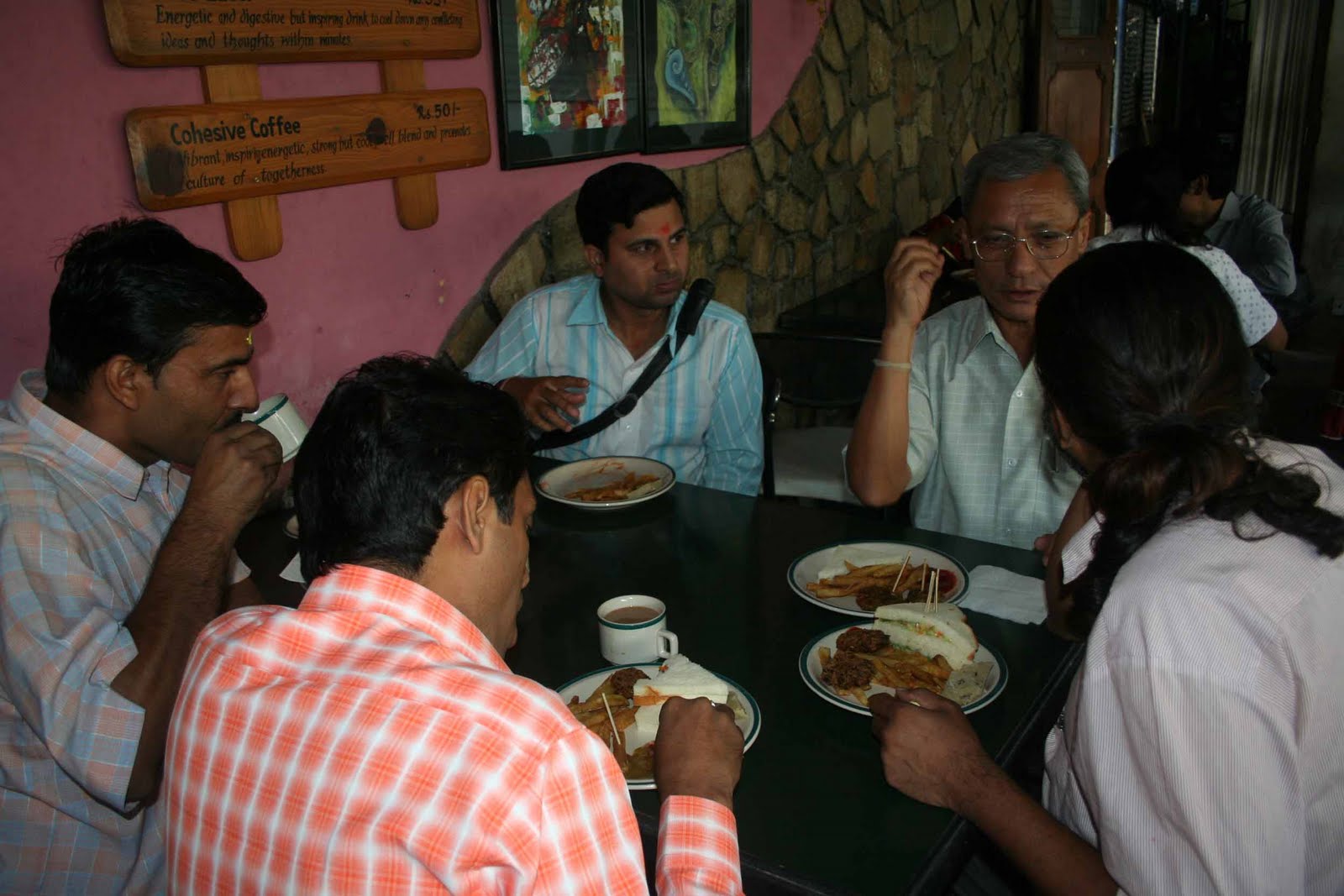
Dhurba Ghimire, Victor Pradhan, KK Karmacharya, Bijaya Chalise, Maya Thakuri, Bhola Shrestha, Bishwambhar Chanchal, Tej Prakash Shrestha, Krishna Shah Yatri, Kartikeya Ghimire, Janardan Baral, Bhisma KC, Rajendra, Krishnadip Sigdel, Yasu Shrestha, Suman Manadhar, Saman Shrestha, Mina Majakoti, Anita Shrestha and Saurav Kiran Shrestha

Friday, July 23, 2010

Saturday : Story Time for Children


हामी पनि भित्र आउँछौं
सौरभकिरण श्रेष्ठ

“मिकी दिदी । के गरिरहनु भएको ?” राजुले सोध्यो ।

“केही होइन ।” राजुुले आफूलाई देखेको हँदा मिकीले हडबडाउँदै भनी । बैठक कोठाको ढोका बन्द थियो । भित्रको खास खुसको आवाज बाहिरसम्म सुनिन्थ्यो । मिकी बाहिर ढोकामा कान लगाएर कुरा सुन्न खोजिरहेकी थिई । तर, उसले केही पनि बुझिरहेकी थिइन । त्यति नै बेला त्यहाँ राजु आइपुगेको थियो ।

“मलाई थाहा छैन र ! भित्रको कुरा सुनिरहनु भएको त हो नि !” राजुुले भन्यो ।

“भाइ यो कुरा आमालाई नभन है ।” उसले भाइलाई संझाउँदै भनी ।

हुन्छ । तर, भित्र के कुरा भइरहेको छ ?” राजुले पनि जान्न खोज्यो ।

“खोइ । राम्रोसँग बुझिदैन ।” मिकीले नाक खुम्चाई ।

“भित्र को–को हुनुहुन्छ नि ?” राजु उत्सुक भयो ।

“हजुरबुबा–हजुरआमा, बुवा–आमा, काका–काकी र जानकी फुपू ।” मिकीले भनी ।

“भित्र अरु त कोही पनि रहेनछन् । साँच्चै हामीलाई बाहिर राखेर आमाहरूले के कुरा गरिरहनु भएको होला ?” राजु कुरा जान्न झन उत्सुक भयो ।

“खोई मलाई के थाहा ? भित्र गएर सोध्नु पर्छ ।” मिकीले भनी ।

“सबै जना भित्र बसेर कुरा गरिहेको छन् । हामी मात्र किन बाहिर ? हिड्नहोस् ! दिदी हामी पनि भित्र जाऔं ।” राजुले मिकीको हात तान्दै भन्यो ।

“हो त नि ।” मिकीले पनि राजुको कुरामा सही थापी । दुबै जना मिलेर ढोका ढकढकाए ।

“किन ? के भयो ?” आमाले ढोका खोल्दै भन्नुभयो ।

“हामी पनि भित्र आउने ।” राजु र मिकी दुबैले एकैसाथ भने ।

“पर्दैन । केटाकेटीहरूको यहाँ के काम ?” आमाले हकार्दै भन्नुभयो –“ यहाँ ठुला मान्छेहरू कुरा गर्दैछन् । तिमीहरूको काम छैन । बरू खेल्न जाओं ।” आमाले सम्झाउँदै भन्नुभयो ।

“नाइ । हामी पनि भित्र वस्ने । ” राजुले जिद्दी ग¥यो ।

“केटाकेटी भएर कति जान्ने भएका ?” भित्रबाट बुबाले हर्कानु भयो ।

बुबाको कडा स्वर सुनेर राजुु चुप लाग्यो । मिकी र राजु निन्याउरो अनुहार लगाएर फर्किए । छोराछोरीको चित्त दुःखाएकाले आमा पनि उनीहरुको पछि पछि आउनु भयो ।

“किन चित्त दुखाएका ? ठूलामान्छेहरु छलफल गरेको ठाउँमा सानाको के काम ?” आमाले दुवैलाई फकाउन थाल्नु भयो ।

“हामीलाई पनि त छलफल सुन्न मन लाग्छ । हामीले पनि आफ्नो मनमा लागेका कुरा भन्न पाउछौ नि ? हामीलाई बाहिर नै राख्नु पर्छ र ?” मिकीले गुनासो पोखी ।

“बरु भन्नुहोस् आमा । भित्र के कुरा भइरहेको थियो ?” राजुले उत्सुक हुँदै सोध्यो ।

“तिमीहरुलाई किन चाहियो ? ” आमाले झर्कदै भन्नुभयो ।

“भन्नुहोस् न आमा । भन्नुहोस् न । ” मिकीले जिद्दी गरिन् ।

“फुपू जानकीको बिहेको कुरा गरिरहेका थियौँ ।” आमाले भनिन् ।

“जानकी फुपूको विहे !” एकैसाथ दुवै खुसी हुँदै कराए ।

“चुप । तिमीहरु त्यसै हल्ला गर्छौ । त्यसैले त तिमीहरुलाई भन्नहुन्न भनेको ।” आमा रिसाउनु भयो । आमा रिसाउनु भएको देखेर दुवै जना चुप लागे । आमा उनीहरुलाई बाहिर छोडेरै फेरि बैठक कोठामा जानुभयो ।

“आहा ! जानकी फुपूको बिहे ।” मिकी खुसी भई ।

“फुपूको विहेमा, म त झिल्के कमिज लगाउँछु । लालमोहन र रसवरी टन्न खान्छु ।” बिहे भोजमा हुने रमाइलो सम्झदैँ राजुले भन्यो ।

“तर राजु, फुपूको विहे कोसँग हुन्छहोला ?” मिकीलाई खुल्दुली लाग्यो ।

“अँ । साँच्चै । ” राजुले भन्यो र फुपूको दुलहा को होला भनेर विचार गर्न थाल्यो ।

“जाउँ हिड । आमालाई सोधौ ।” मिकीले भनी ।

“नाई । नाई । फेरि ढोका ढकढकायौं भने गाली खाईन्छ । बरु पछि सोधौंला ।” राजुले डराउँदै भन्यो र पछाडि हट्यो ।

“धत् ! डराएर हुन्छ ? जाँउ हिड ।” मिकीले राजुलाई हकारिन् ।

“ठीकै छ । तपाई ढोका ढकढकाउनुहोस । म पछि पछि आउँछु । ” राजुले भन्यो । दुबैजना वैठकको ढोका अगाडि गए ।

“आमा ढोका खोल्नुहोस् । हामी पनि भित्र आउँछौ ।” मिकीले ढोका ढकढकाउँदै भनी । आमाले ढोका खोल्नु भयो ।

“ल भित्र आओ । तर हल्ला नगर नि ।” आमाले सम्झाउँदै भन्नुभयो ।

“हुन्छ आमा हामी ज्ञानी भएर बस्छौँ ।” दुबैले भने । उनीहरू खुसी हुँदै जानकी फुपूसँगै बसे । कोठाभित्र सबैजना खुसी देखिन्थे ।

“यी केटाकेटीहरु पनि एकछिन बाहिर बस भनेको मानेका होइन । ” आमाले दिक्क मान्दै भन्नुभयो ।

“ठीकै छ नि । केटाकेटी न हुन् ।” हजुरआमाले भन्नुभयो । मिकी र राजुलाई एउटा फोटो देखाउनुभयो । उनीहरुले फोटोलाई राम्ररी हेरे । मिकीलाई फोटोको मान्छे कता कता देखेजस्तो लाग्यो ।

“आमा यी को हुन् ?” मिकीले केही बेर सोचेर सोधी

“तिम्रो हुनेवाला फुपाजू ।” आमाले हाँस्दै भन्नुभयो ।

“आमा, म यो फोटोको मान्छेलाई चिन्दछु ।” मिकीले भनी ।

“कसरी चिन्यौ ?” आमाले जिल्ल पर्दै सोध्नुभयो ।

“विद्यालय जाँदा यो मान्छेलाई सधंै देख्छु । यो मान्छे त जड्याहा हो । सधै जाँड खाएर हल्ला गरिरहन्छ ।” मिकीले आफूले देखेको कुरा भनी ।

“चुप ! झन् हल्ला नगर भनेको त के–के बोल्छ के–के ।” आमाले हकारिन् ।

“साँच्चै आमा । यो मान्छे राम्रो छैन । यस्तो मान्छेसँग फुपूको बिहे नगरिदिनुहोस् ।” मिकीले भनी ।

“भैगो । भैगो । केटाकेटीलाई गाली नगर । के थाहा ! उनीहरुको कुरा साँचो पो हो की ?” बुबाले शंका गर्नुभयो । “मिकी, यो मान्छे मलाई देखाउन सक्छौँ ?” बुबाले सोध्नुभयो ।

“सक्छु ! बुबाको कुरा सुनेर मिकी खुसी भई । उसले बुबालाई सँगै लगी । उनीहरु विद्यालय नजिकको होटेल पुगे । त्यो मान्छे रक्सी पिइरहेको थियो ।

केही बेरमा उनीहरु घर फर्के । बुबाले मिकीलाई स्याबासी दिनुभयो । मिकी खुसी भई । जानकी फुपू त झन खुसी हुनभयो ।
(वि.स. २०६१ मा प्रकाशित बालकथासंग्रह ‘म पनि भाग लिन्छु’ बाट साभार)

Thursday, July 8, 2010

Happy birthday Krishna Uncle


From my childhood I call him Krishna uncle. He is renowned by his name Krishna Prasad Parjuli, a great poet, a great writer for children, and in conclusion he is a great Nepali litterateur. He has already written dozens of books. He is more popular for "Ramro Rachana Metho Nepali" a Nepali grammar book.

I started my writing habit from my childhood. I used to give my write-up to Krishna uncle for correction and feedback. He used to give me some coins for chocolate and books for reading. At that time he also inspired me to write stories and poems. I am sure he is inspiration for many Nepalese writers and authors.

Today (July 8, 2010), my Krishna uncle celebrated his 76th birthday. On this occasion, I wish him a healthy and prosperous life.

Tuesday, July 6, 2010

My Case Study Format

Case studies could be done for different purposes. In general, case study is an in-depth inquiry of individual, group, community or specific event and program.

As a BSW social work student I followed the Case Study format to understand Client and his/her problem in my field practicum. I guess the format could be useful for my fellow students. It is a general format. Student can enrich the format as per their requirement and understanding. Key note on case study is that try to collect information as much as possible.

1. General information (age, sex, education, religion, address, etc)

2. Family back ground (history of parents, # of sibling, financial and marital status, educational background, identify if any of them has same kind of problem/issues as of your client )

3. Economic status (employment history, income and expenses)

4. Relationship (with family, parents, spouse etc)

5. Health (disease, treatment, needs)

6. Current/existing problems of client (history of problems, reason, impact of problems in his and other's life incuding social, mental and economic problems)

7. Problem solving methods (Steps taken for problem solving, Government/NGOs services using by client, effectiveness/weakness of the problem solving process,)

Recommendation and conclusion

Long Live Daimon Samser


He has completed his 92 years of prosperous life and entered in year of 93. He is non other than renowned and senior litterateur Diamon Samser Rana. Basanti (2006 BS), Seto Bagh (2030), Pratibaddha (2034), Satprayash(2038), Anita (2046), Dhanko Dhabba (2051), Grihaprabesh (2059) are his popular novel based on historical fiction.

"I am happy that I could meet with you." Yesterday he told me in his resident. I was there to extend my hearty wish on his birthday. I captured some golden moments spent with him via my camera. At that time he smiled and said, "Why are you taking my photos? I would appear as an old man!" Even in his 93-years, he is lively and energetic. His opinion is that Nepal would not be developed and remain in peace unless Nepali literature is developed. Therefore, he urged to promote Nepali literature and reading habit among Nepali readers.

I wish him a good health and peace so that we, his well-wishers and readers, can celebrate his birthday in coming years too.

Nepali Writers and Literature in Australia – My Vision, Plan, and Action: Journal 36

16 June 2026 – 15 July 2026 | Personal Journal 36 I welcomed readers to the 36th edition of my monthly journal, which highlighted my activit...